
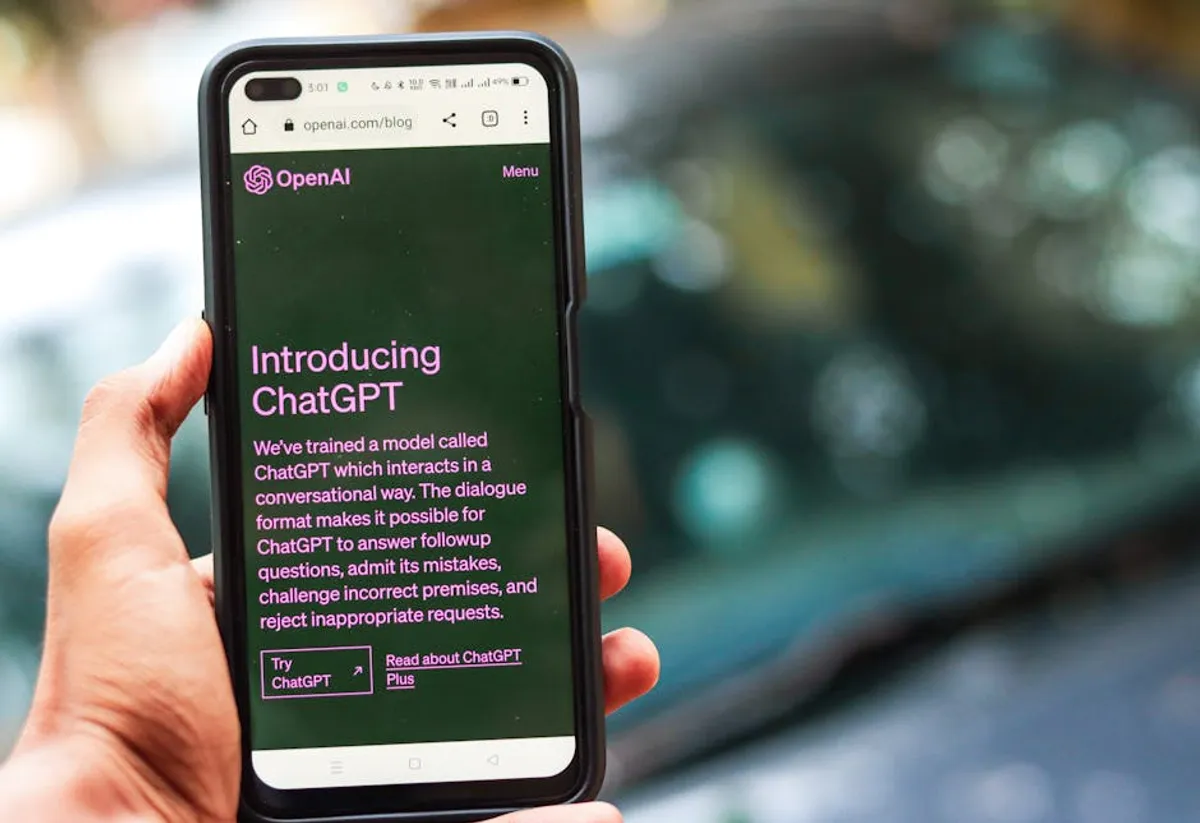
The efficacy of AI chat interfaces extends beyond mere functional capability; it fundamentally hinges on user experience (UX) design. For businesses deploying AI chat, the distinction between a transactional utility and a valuable brand touchpoint often lies in two critical elements: personality and memory. These are not merely aesthetic choices but strategic levers that influence user engagement, satisfaction, and ultimately, commercial outcomes.
A well-defined AI personality shapes how users perceive the brand, fostering trust and reducing conversational friction. Simultaneously, robust memory capabilities ensure continuity and personalization, transforming disjointed interactions into coherent, efficient user journeys. Overlooking these aspects risks deploying a chatbot that, while technically proficient, fails to connect with users or deliver sustained value.
The Strategic Value of AI Chat Personality
AI chat personality is the carefully crafted tone, style, and behavioral characteristics of an AI agent. It is a deliberate design choice that extends brand identity into conversational interfaces, dictating how the AI communicates and responds. This goes beyond simple politeness; it involves a consistent voice that resonates with the target audience and reinforces brand values.
Brand Alignment and Voice
A distinct AI personality acts as a direct extension of a brand's voice. For instance, a financial institution's AI might adopt a reassuring, authoritative, and precise tone, reflecting trustworthiness and expertise. Conversely, a consumer electronics brand might opt for an enthusiastic, helpful, and innovative persona. This alignment ensures that every interaction, regardless of the channel, contributes to a cohesive brand perception. Inconsistent or generic personalities can dilute brand messaging, creating a disconnect that undermines user confidence and recall.
Emotional Resonance and Trust
Users often attribute human-like qualities to conversational AI. A well-developed personality can tap into emotional resonance, making interactions feel more natural and less robotic. This can translate into increased user comfort, longer engagement times, and a greater willingness to share information or follow recommendations. When an AI's personality is perceived as empathetic or genuinely helpful, it builds a foundational layer of trust, which is crucial for handling sensitive inquiries or guiding users through complex processes. A flat, uninflected AI risks alienating users who seek more than just data retrieval.
Differentiation in Competitive Markets
In crowded digital landscapes, AI chat personality offers a unique differentiator. While many competitors may offer similar functionalities, a distinctive and appealing AI personality can become a memorable aspect of the user experience. This can foster brand loyalty and provide a competitive edge, turning routine customer service interactions into positive brand experiences. It elevates the chat interface from a cost-saving measure to a value-adding component of the overall customer journey.
The Operational Impact of AI Chat Memory
AI chat memory refers to the system's ability to recall and utilize information from past interactions, either within a single session or across multiple engagements with the same user. This capability is fundamental to delivering personalized, efficient, and contextually relevant support or sales assistance.
Contextual Continuity in Conversations
Without memory, every AI chat interaction starts from scratch, forcing users to repeat information, re-state their issues, or reiterate preferences. This creates friction and frustration, leading to higher abandonment rates. Effective memory ensures that the AI understands the ongoing context, referring to previous turns, user-provided details, or even historical purchase data. This continuity makes conversations feel more natural and significantly reduces the effort required from the user, expediting problem resolution or task completion.
Personalized User Journeys
Memory enables the AI to build a profile of the user over time, leading to increasingly personalized interactions. This can manifest in several ways:
- Recalling past preferences: Remembering preferred products, services, or communication channels.
- Anticipating needs: Suggesting relevant information or offers based on previous inquiries or browsing history.
- Pre-filling forms: Using known user data to streamline processes like order placement or support ticket creation.
- Tailoring language: Adapting the conversational style based on prior interactions or inferred user demographics.
This level of personalization not only enhances the user experience but also drives commercial objectives, such as increased conversion rates for tailored recommendations or improved customer retention through proactive support.
Efficiency Through Recall
For businesses, AI memory translates directly into operational efficiency. By recalling user history and context, the AI can resolve issues more quickly, reducing average handling times. It also minimizes the need for human agent intervention for routine or repetitive queries, freeing up human resources for more complex cases. This efficiency directly impacts operational costs and improves the scalability of customer support operations.
Pro Tip: When designing AI chat memory, prioritize transparent data handling. Clearly inform users about what information is being stored and how it's used. Implementing opt-out options or data deletion requests builds trust and ensures compliance with privacy regulations like GDPR or CCPA. A perceived lack of privacy can negate the benefits of personalization.
Integrating Personality and Memory for Optimal UX
The true power of AI chat UX emerges when personality and memory are integrated synergistically. A memorable personality, coupled with the ability to recall and apply context, creates an AI experience that feels both human-like and highly effective. This combination moves beyond simple automation to deliver genuine value.
For example, an AI with a helpful, friendly personality that remembers a user's previous purchase and proactively offers relevant accessories or support demonstrates a superior level of service. This contrasts sharply with a generic bot that repeatedly asks for order numbers and offers irrelevant upsells. The integrated approach fosters a sense of being understood and valued, which are critical drivers of customer loyalty and advocacy.
Actionable Steps for Enhancing AI Chat UX
To leverage AI chat personality and memory effectively, businesses should:
- Define Brand Persona: Conduct workshops to clearly articulate the desired AI personality, aligning it with existing brand guidelines and target audience expectations.
- Develop Contextual Understanding: Invest in Natural Language Understanding (NLU) models capable of tracking conversational state and extracting key entities across turns.
- Implement User Profiles: Design a system for storing and retrieving user-specific data (preferences, history, demographics) that can be accessed by the AI in real-time.
- Iterate and Test: Continuously A/B test different personality traits and memory implementations to gauge user response and optimize for engagement and conversion metrics.
- Prioritize Data Security: Ensure all stored user data is encrypted, anonymized where possible, and compliant with relevant data protection laws.
Frequently Asked Questions
How does AI chat personality affect conversion rates?
A well-defined AI personality can increase conversion rates by building rapport, fostering trust, and making the interaction feel more engaging, leading users to be more receptive to recommendations or calls to action. A consistent, on-brand personality reduces friction and can directly influence purchasing decisions.
What are the privacy implications of AI chat memory?
AI chat memory involves storing user data, which carries significant privacy implications. Businesses must ensure compliance with data protection regulations, implement robust security measures for data storage, and provide users with clear information and control over their stored data.
Can AI chat personality be adapted over time?
Yes, AI chat personality should be adaptable. As brand strategies evolve or user feedback is collected, the AI's persona can be refined through iterative design, updated linguistic rules, and re-training of conversational models to maintain relevance and effectiveness.
What kind of data powers AI chat memory?
AI chat memory is powered by various data types, including conversational history (dialogue turns), user-provided information (names, preferences, order numbers), explicit user profile data, and implicit signals from browsing behavior or past interactions with the brand's other digital touchpoints.



