
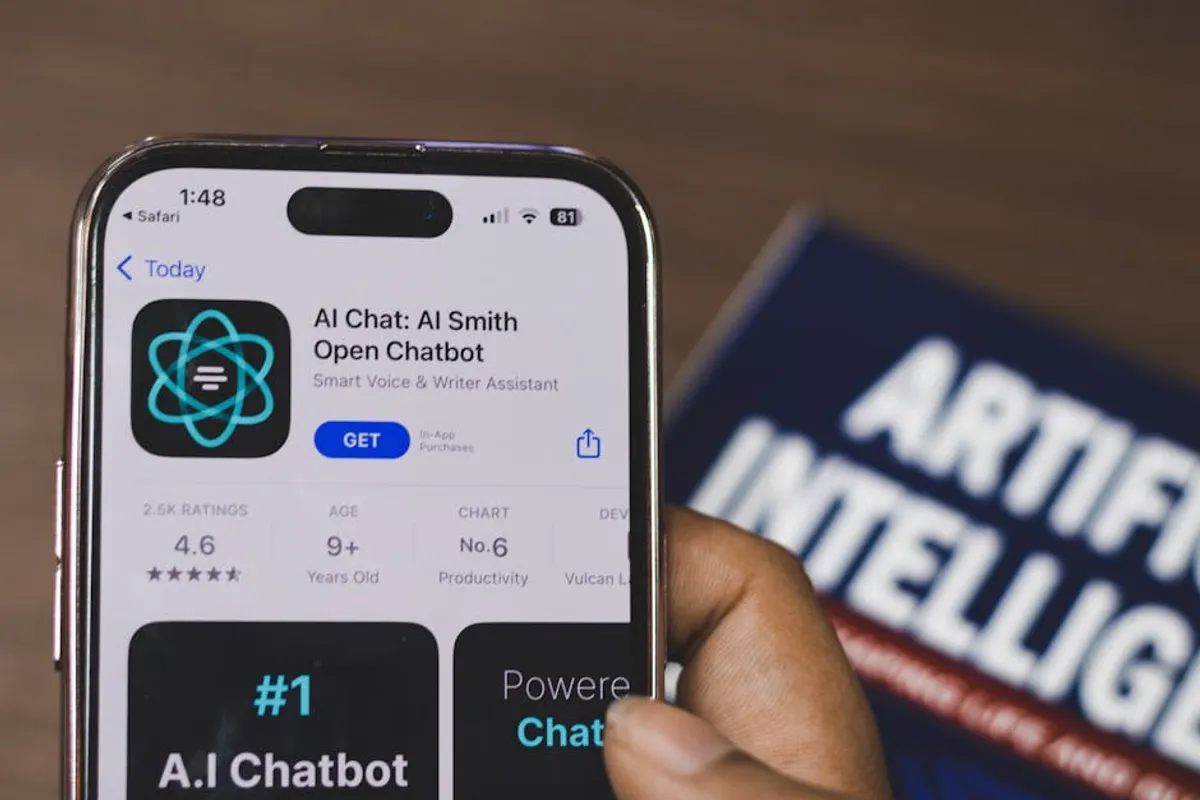
The rapid integration of AI chatbots across professional workflows introduces significant efficiencies but also inherent risks. For SEO professionals, marketers, site owners, and agencies, understanding these risks is not merely a matter of personal security, but a critical component of maintaining data integrity, client confidentiality, and brand reputation. As these tools become indispensable for content generation, research, and customer interaction, a proactive approach to safety is essential to mitigate potential data breaches, misinformation dissemination, and account vulnerabilities.
Understanding Data Privacy Risks with AI Chatbots
The primary concern with AI chatbots often revolves around how they handle user input. When you interact with a chatbot, the information you provide, whether a simple query or sensitive business data, is processed and often stored. This data can then be used for various purposes, including training future AI models, which means your inputs could inadvertently become part of the AI's public knowledge base or be exposed through subsequent interactions.
Input Data Handling and Retention Policies
Most AI chatbot providers have terms of service detailing their data retention policies. However, these policies vary widely. Some platforms explicitly state they may use conversational data to improve their models, while others offer options for users to opt out of data sharing or to delete chat histories. The risk intensifies when proprietary business information, client data, or unreleased campaign details are entered into a chatbot. Such inputs, if not handled securely by the provider, could lead to competitive disadvantages or regulatory compliance issues, particularly concerning GDPR or CCPA requirements.
Third-Party Integrations and Data Sharing
Many advanced AI chatbots integrate with other applications and services, from project management tools to CRM platforms. While these integrations enhance functionality, they also expand the data exposure surface. Each integration point represents another potential vector for data leakage or unauthorized access. Understanding the data flow between the chatbot and any connected third-party services is crucial. Businesses must verify that all integrated platforms adhere to stringent security protocols and data privacy standards commensurate with their own.
Guarding Against Misinformation and Hallucinations
AI chatbots, despite their sophistication, are not infallible. They can generate inaccurate information, present speculative data as fact, or even "hallucinate" entirely fabricated details. This phenomenon, where AI invents information not present in its training data, poses a significant threat to professional credibility and decision-making.
Verifying AI-Generated Content
For marketers and content creators, relying solely on AI-generated text without verification can lead to the publication of incorrect statistics, outdated information, or misleading claims. This directly impacts brand authority and search engine rankings, especially in fields where factual accuracy is paramount, such as healthcare, finance, or legal services. Every piece of critical information sourced from an AI chatbot requires independent fact-checking against authoritative sources. This includes statistics, dates, names, and technical specifications.
Recognizing AI Limitations and Biases
AI models are trained on vast datasets, which inherently contain biases reflecting the real-world data they were fed. These biases can manifest in chatbot outputs, leading to skewed perspectives, discriminatory language, or incomplete information. For SEOs and content strategists, this means AI-generated content might inadvertently alienate audience segments or misrepresent cultural nuances. Recognizing these limitations requires critical evaluation of the chatbot's output and a commitment to diverse, human-led review processes to ensure fairness and accuracy.
Securing Your Interactions and Accounts
Beyond data input, the security of your direct interactions with AI chatbots and the accounts you use to access them is equally important. Cybercriminals are increasingly targeting AI platforms through various sophisticated methods.
Strong Authentication Practices
Just as with any other online service, securing your AI chatbot accounts with robust authentication measures is non-negotiable. Enabling two-factor authentication (2FA) adds a critical layer of security, making it significantly harder for unauthorized users to access your account even if they obtain your password. This protects not only your chat history but also any connected services or personal data associated with the account.
Avoiding Malicious Prompts and Social Engineering
A growing threat is "prompt injection," where malicious actors craft inputs designed to manipulate the chatbot into revealing sensitive information, bypassing its safety protocols, or even generating harmful content. Users must be wary of prompts that seem to solicit personal data, ask for internal company details, or attempt to override the chatbot's ethical guidelines. Social engineering tactics can also be employed, where a chatbot might be used to trick users into divulging information or clicking malicious links, much like traditional phishing attacks.
Pro Tip: Implement a clear internal policy for all employees regarding the types of information that can and cannot be entered into public-facing AI chatbots. Categorize data by sensitivity level and provide specific examples of confidential information that should never be shared, even in anonymized forms, without explicit approval and secure channels.
Establishing Internal AI Chatbot Usage Policies
For organizations, individual safety tips are insufficient. A comprehensive internal policy is required to govern the professional use of AI chatbots.
Guidelines for Employees and Teams
Develop clear, actionable guidelines that outline acceptable use cases, prohibited data inputs, and verification protocols. This should include training sessions to educate staff on the risks of data leakage, misinformation, and prompt injection. Emphasize that AI chatbot outputs are tools, not definitive sources, and require human oversight and critical evaluation before deployment.
Data Classification and Anonymization
Before any data is entered into an AI chatbot, it should be classified according to its sensitivity. For highly sensitive or proprietary information, strict anonymization techniques should be applied if its use with an AI chatbot is deemed absolutely necessary. This involves removing all personally identifiable information (PII), company-specific details, or client data that could lead to identification or compromise. In many cases, it's safer to avoid inputting such data entirely.
Practical Steps for Safer AI Chatbot Use
Adopting these concrete measures can significantly enhance the security and reliability of your AI chatbot interactions:
- Utilize Official Platforms: Always access AI chatbots through their official websites or verified applications. Avoid third-party wrappers or unofficial versions that may compromise your data.
- Review Privacy Policies: Before using any new AI chatbot, thoroughly read its privacy policy and terms of service. Understand how your data will be collected, stored, and used.
- Avoid Sensitive Data Input: Refrain from entering confidential business plans, client names, personal health information, financial data, or proprietary algorithms into general-purpose AI chatbots.
- Verify Critical Outputs: Treat all AI-generated information, especially statistics, legal advice, or medical claims, as unverified until independently confirmed by authoritative sources.
- Enable Two-Factor Authentication (2FA): Secure your chatbot accounts with 2FA to prevent unauthorized access.
- Regularly Clear Chat History: Periodically review and delete your chat history, especially if you've inadvertently entered sensitive information. Most platforms offer this functionality.
- Stay Informed: Keep abreast of new security vulnerabilities, best practices, and updates from AI chatbot providers.
Implementing a Proactive Safety Framework
Navigating the landscape of AI chatbots requires more than just reactive measures; it demands a proactive, strategic approach. Businesses and professionals must integrate AI safety into their broader digital security and data governance frameworks. This involves continuous education for all users, regular audits of AI tool usage, and a commitment to staying informed about evolving AI capabilities and threats. By prioritizing safety through well-defined policies and vigilant practices, organizations can harness the transformative power of AI chatbots while effectively mitigating their inherent risks, safeguarding both data and reputation.
Frequently Asked Questions About AI Chatbot Safety
Q: Can AI chatbots share my data with other companies?
A: It depends on the chatbot provider's privacy policy. Many providers reserve the right to use your input data for training their models or for other purposes, which may involve sharing anonymized or aggregated data with partners. Always review the specific terms of service for each chatbot you use.
Q: How do I know if an AI chatbot is giving me false information?
A: AI chatbots can "hallucinate" or generate inaccurate information. The best way to identify false information is to cross-reference any critical or factual claims with multiple credible, independent sources. Do not take AI output at face value, especially for sensitive topics.
Q: What's the biggest security risk when using AI chatbots professionally?
A: The most significant professional security risk is the inadvertent input of sensitive, proprietary, or confidential business data. This data could be stored, used for model training, or potentially exposed, leading to competitive disadvantages, client trust erosion, or regulatory non-compliance.
Q: Should I use AI chatbots for confidential business tasks?
A: Generally, no. Avoid inputting any confidential business information, client data, or proprietary insights into general-purpose AI chatbots. If AI assistance is critical for such tasks, explore enterprise-grade solutions with robust data privacy agreements and on-premise or private cloud deployment options, and always ensure data anonymization.



