
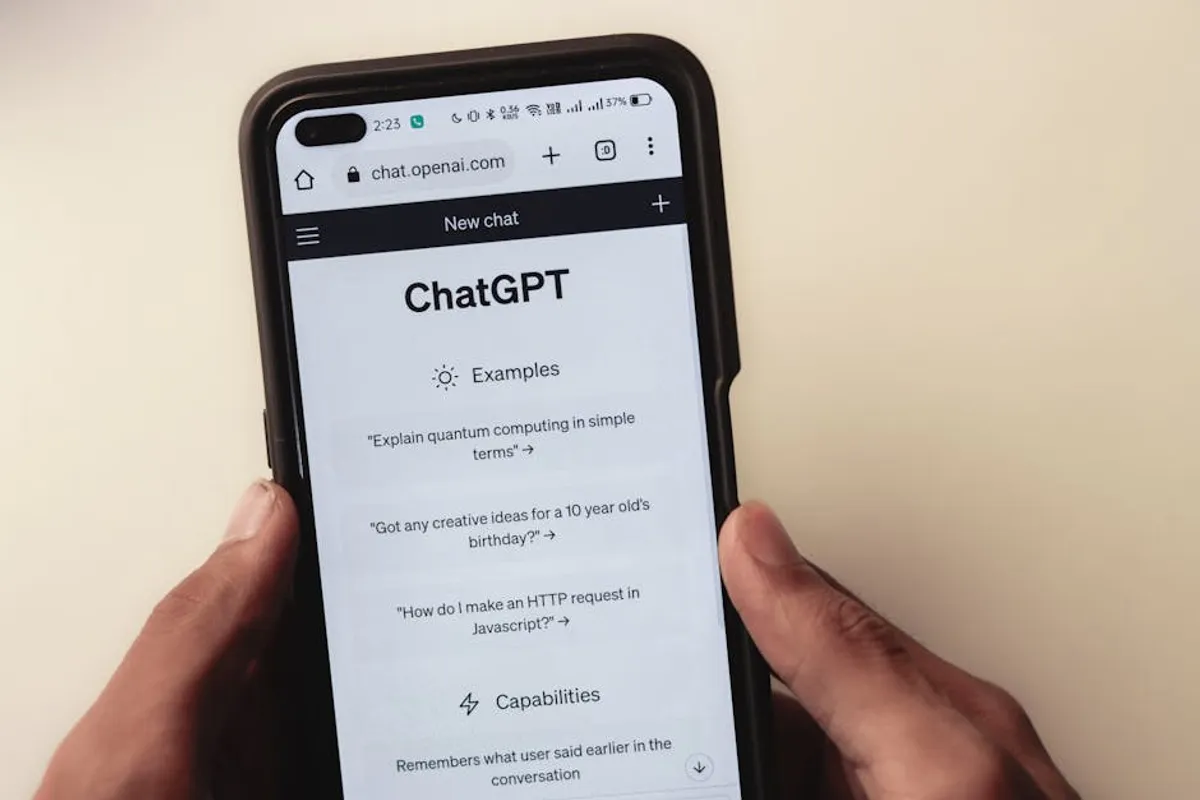
The trajectory of AI chatbots is accelerating, moving beyond rule-based scripts and basic natural language processing to become integral components of customer experience, operational efficiency, and data-driven decision-making. For marketers, SEO professionals, and business owners, understanding the shifts projected for 2026 is critical not just for maintaining competitive parity, but for identifying new avenues for engagement and conversion. The focus is no longer on simply automating responses, but on creating intelligent, context-aware, and proactive digital agents that genuinely enhance user journeys and deliver measurable business value.
The Rise of Hyper-Contextual AI
By 2026, AI chatbots will move significantly past generalized responses, leveraging deep contextual understanding to personalize interactions at an unprecedented scale. This evolution is driven by advancements in large language models (LLMs) combined with sophisticated data integration, enabling chatbots to recall past interactions, understand user preferences, and even infer intent based on browsing history or demographic data. The result is a conversational experience that feels less like talking to a machine and more like engaging with a highly informed, dedicated assistant.
Persistent Memory and User Profiling
Chatbots will maintain persistent, cross-session memory, allowing them to reference previous conversations, purchases, and expressed preferences. This capability is not just about recalling a name; it involves understanding a user’s entire interaction history with a brand. Integration with CRM systems, customer data platforms (CDPs), and marketing automation tools will become standard, providing the chatbot with a 360-degree view of each user. This enables tailored product recommendations, proactive service offers, and support that anticipates needs rather than merely reacting to them.
Impact for businesses: Reduced customer effort, increased satisfaction scores, and higher conversion rates due to relevant, timely offers. For SEO, this means chatbots can guide users more effectively to relevant content or product pages based on their profile, improving on-site engagement metrics.
Dynamic Content Generation
Beyond personalized responses, 2026 chatbots will dynamically generate content specific to the user's immediate context and historical profile. This could range from crafting unique product descriptions tailored to a user's stated needs to summarizing complex information from a knowledge base in a digestible format relevant to their skill level. This capability leverages generative AI to create net-new text, images, or even short video snippets within the conversational flow, moving away from pre-scripted content blocks.
Benefit: Enhanced user engagement, as information is presented in the most relevant and appealing format. For content strategists, this opens opportunities for AI to assist in personalizing content delivery at scale, extending the reach and impact of existing assets.
Multimodal Interaction as Standard
The text-only chatbot will largely be a relic by 2026. Multimodal AI, capable of processing and generating responses across text, voice, image, and potentially video, will become the norm. This shift reflects a more natural human interaction paradigm, where communication rarely relies on a single medium.
Beyond Text: Voice, Image, and Video Input
Users will seamlessly interact with chatbots using their preferred input method. Voice commands for complex queries, image uploads for product identification or troubleshooting, and even short video clips to demonstrate issues will be processed and understood by advanced AI. This broadens accessibility and caters to diverse user preferences and complex problem-solving scenarios.
- Voice: Enables hands-free operation, crucial for mobile users or those with accessibility needs.
- Image: Facilitates visual search, defect identification, or style matching for e-commerce and support.
- Video: Allows for detailed problem demonstration, particularly useful in technical support or diagnostics.
Integrated Output Capabilities
Chatbots will not only understand multimodal inputs but also respond with rich, integrated outputs. This includes generating relevant images or diagrams to explain a concept, playing short audio instructions, or even creating personalized video snippets. The goal is to provide information in the most effective and efficient medium for the specific query, moving beyond simple text replies.
Strategic advantage: Businesses can offer richer, more intuitive support and sales experiences, reducing friction and improving clarity. For SEO, this means optimizing content for multimodal search queries and ensuring assets are discoverable across various input types.
Pro Tip: When evaluating AI chatbot solutions for 2026, prioritize platforms that demonstrate robust API integration capabilities. The true power of future chatbots lies in their seamless connection to your existing CRM, ERP, knowledge bases, and content management systems, enabling hyper-personalization and multimodal interaction. Without deep integration, even the most advanced AI remains isolated and underperforms.
Proactive Engagement and Predictive Analytics
Reactive chatbots, waiting for a user to initiate contact, will diminish in prominence. The 2026 landscape will feature AI agents that proactively reach out to users, anticipate needs, and offer solutions before problems escalate or opportunities are missed. This is powered by advanced predictive analytics and real-time behavioral monitoring.
Anticipating User Needs
AI will analyze user behavior patterns, historical data, and external signals to predict potential issues or interests. For instance, a chatbot might proactively offer assistance if a user spends an unusual amount of time on a checkout page, or suggest a relevant accessory based on a recent purchase and browsing history. This shifts the chatbot from a mere support tool to a proactive engagement and sales driver.
Commercial application: Reduced cart abandonment, increased upsell/cross-sell opportunities, and improved customer retention through timely, relevant interventions.
Operationalizing Predictive Insights
The insights gained from predictive AI will not only inform chatbot interactions but also feed back into broader operational strategies. For example, if a chatbot identifies a recurring issue across multiple users, this data can trigger alerts for product development or customer service teams to address systemic problems. This creates a feedback loop that continually refines both the AI's performance and the underlying business processes.
Organizational impact: Enhanced efficiency, faster problem resolution, and a data-driven approach to improving product and service offerings.
Ethical AI and Trust Frameworks
As AI chatbots become more sophisticated and integrated into daily operations, concerns around data privacy, algorithmic bias, and transparency will intensify. By 2026, robust ethical AI frameworks will be non-negotiable for widespread adoption and consumer trust.
Transparency and Explainability
Users will demand to know when they are interacting with an AI and how its decisions are made. Chatbots will incorporate features that clearly disclose their AI nature and, where appropriate, provide explanations for recommendations or actions taken. This "explainable AI" (XAI) is crucial for building trust, especially in sensitive areas like financial advice or healthcare support.
Key for adoption: Higher user confidence and reduced apprehension, particularly in regulated industries.
Data Privacy and Bias Mitigation
With more personal data feeding into hyper-personalized chatbots, stringent data privacy protocols will be paramount. Compliance with regulations like GDPR and CCPA will be a baseline, with companies investing in advanced anonymization, encryption, and consent management. Furthermore, active strategies to identify and mitigate algorithmic bias will be critical to ensure fair and equitable interactions for all users, preventing discriminatory outcomes in recommendations or access to services.
Risk management: Avoidance of legal penalties, reputational damage, and erosion of customer trust. For SEO, maintaining trust is foundational for sustained organic visibility and brand loyalty.
Preparing for the Conversational Future
The evolution of AI chatbots by 2026 represents a significant shift from simple automation to intelligent, empathetic, and proactive digital partners. Businesses that invest early in understanding these trends and adapting their strategies will gain a considerable competitive advantage. Focus on integrating your data silos, exploring multimodal interaction capabilities, and embedding ethical considerations into your AI development roadmap. The future of customer engagement is conversational, and its success hinges on intelligence, context, and trust.
Frequently Asked Questions
What is hyper-contextual AI in chatbots?
Hyper-contextual AI enables chatbots to understand and leverage a user's entire history, preferences, and real-time situation across multiple interactions and data points, providing highly personalized and relevant responses.
Why is multimodal interaction important for future chatbots?
Multimodal interaction allows users to communicate with chatbots using natural methods like voice, images, or video, making interactions more intuitive, accessible, and effective for a wider range of queries and users.
How will chatbots become proactive by 2026?
By 2026, chatbots will use predictive analytics and real-time behavioral data to anticipate user needs, offer assistance before being asked, and proactively engage with users to prevent issues or suggest relevant opportunities.
What role does ethical AI play in chatbot development?
Ethical AI ensures chatbots are transparent about their nature, protect user data privacy, and mitigate algorithmic biases, fostering user trust and ensuring fair, equitable interactions in increasingly sophisticated AI systems.



