
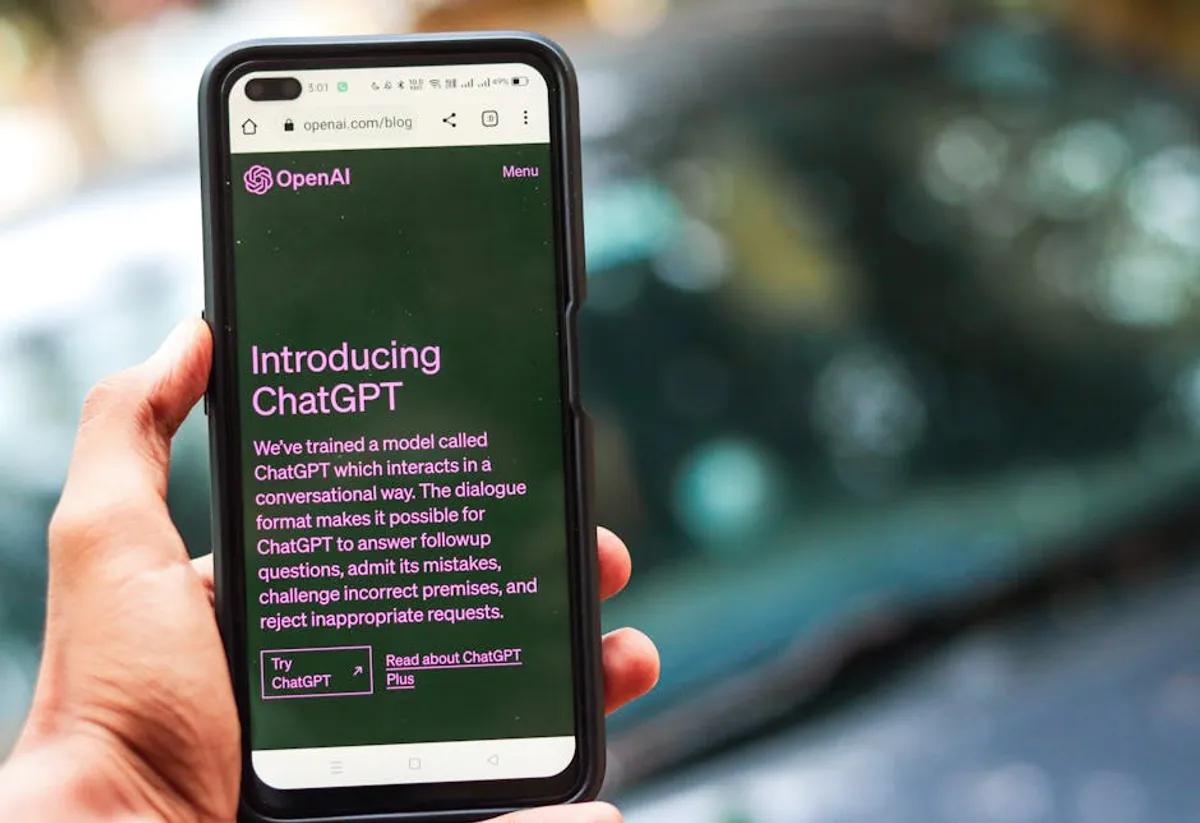
AI roleplay chatbots represent a distinct application of large language models, designed to simulate specific personas, scenarios, or conversational dynamics. For users considering their adoption, whether for personal exploration or professional application, understanding the operational mechanics and inherent considerations is crucial. These tools move beyond basic Q&A, offering interactive experiences that adapt based on user input and predefined character traits. Engaging with them effectively requires an informed perspective on their capabilities, limitations, and the practical implications of their use.
Core Functionality of AI Roleplay Chatbots
At their foundation, AI roleplay chatbots leverage sophisticated language models, often fine-tuned on extensive datasets of conversational text, scripts, and character-driven narratives. This training enables them to generate contextually relevant and stylistically consistent dialogue. The key differentiator for roleplay models is their capacity for persona adherence and scenario management, which involves maintaining a character's traits, motivations, and background throughout an interaction.
Persona Definition and Scenario Building
Users typically initiate interactions by defining a chatbot's persona. This involves specifying attributes such as:
- Character Traits: Personality, emotional responses, communication style.
- Background & Lore: Fictional history, relationships, specific knowledge domains.
- Objectives: Goals within a given scenario or interaction.
Beyond static definitions, many platforms allow for dynamic scenario building, where users can set up specific situations, conflicts, or environments for the chatbot to interact within. This framework guides the AI's responses, ensuring they align with the established narrative and character. The model's "memory" or context window plays a significant role here, allowing it to recall past conversational turns and integrate them into subsequent dialogue, fostering a more coherent and immersive experience.
Critical Considerations for Users
Before engaging with AI roleplay chatbots, users should evaluate several key areas to ensure a productive and secure experience. These factors influence not only the quality of interaction but also data handling and ethical implications.
Data Privacy and Security Implications
Interaction with any AI model involves data exchange. Users must understand what information is collected, how it is stored, and who has access to it. Conversations, persona definitions, and any uploaded content may be used for model training, analytics, or to improve services. Reputable platforms typically detail their data policies, including:
- Anonymization: Measures taken to remove personally identifiable information.
- Encryption: How data is secured in transit and at rest.
- Data Retention: Policies on how long conversational data is stored.
Users, particularly those in professional contexts, should verify that a platform's data privacy practices align with their organizational compliance requirements, such as GDPR or CCPA, especially if sensitive information might inadvertently be part of a roleplay scenario.
Pro Tip: Always review the privacy policy and terms of service before using any AI roleplay chatbot, especially if the content of your interactions could be considered proprietary or sensitive. Assume that conversational data may be retained and potentially used for model training unless explicitly stated otherwise by the service provider.
Content Moderation and Ethical Boundaries
AI roleplay chatbots are designed with varying levels of content moderation. These systems aim to prevent the generation of harmful, illegal, or unethical content. However, the effectiveness of these filters can vary, and users may encounter responses that are unexpected or undesirable. Understanding the platform's stance on user-generated content and the mechanisms for reporting problematic interactions is essential. Users also bear responsibility for the content they generate and the scenarios they create, ensuring they adhere to ethical guidelines and community standards.
Performance, Bias, and Limitations
While advanced, AI roleplay chatbots are not infallible. They can exhibit limitations such as:
- Generative Hallucinations: Fabricating information or details that are not consistent with the established persona or scenario.
- Repetitive Responses: Falling into loops of similar phrasing or ideas, especially during extended interactions.
- Context Window Constraints: Forgetting earlier details if the conversation exceeds the model's capacity to recall past turns.
- Algorithmic Bias: Unintentionally reflecting biases present in their training data, which can manifest in character portrayals or narrative directions.
Users should approach these tools with an understanding that they are probabilistic models, not sentient entities, and their outputs require critical evaluation.
Cost Models and Accessibility
Access to AI roleplay chatbots often comes with different cost structures. Many platforms offer a freemium model, providing basic functionality for free while reserving advanced features, higher usage limits, or enhanced customization for paid subscriptions. Others operate on a pay-per-use basis, often tied to API calls or token consumption. For professional applications, evaluating the long-term cost implications and scalability of a chosen platform is a practical necessity.
Practical Applications in Professional Settings
Beyond entertainment, AI roleplay chatbots offer tangible benefits for professionals across various sectors:
Best for: Training and Development
Simulating customer service interactions, sales pitches, or crisis management scenarios allows employees to practice responses in a low-stakes environment. The AI can act as a challenging customer, a difficult colleague, or a specific stakeholder, providing consistent and immediate feedback.
Best for: Content Ideation and Storyboarding
Writers, marketers, and creative professionals can use these chatbots to brainstorm character arcs, develop dialogue for scripts, or explore different narrative paths. By roleplaying as various characters, users can gain new perspectives on their creative projects.
Best for: Language Learning and Communication Practice
For individuals seeking to improve communication skills or practice a new language, roleplay chatbots offer a patient and accessible conversational partner. They can simulate real-world conversations, providing opportunities to refine fluency and cultural nuances.
Navigating the AI Roleplay Landscape
Engaging with AI roleplay chatbots offers a dynamic and evolving experience. Users who approach these tools with a clear understanding of their underlying technology, a critical eye towards data privacy, and an awareness of their inherent limitations will derive the most value. Prioritize platforms that offer transparent policies, robust customization options, and a commitment to ethical AI development. By doing so, you can leverage these conversational agents effectively, whether for personal enrichment or professional advancement.
Frequently Asked Questions
What is the primary difference between a standard chatbot and an AI roleplay chatbot?
A standard chatbot typically aims to provide information or complete tasks based on predefined rules or general knowledge. An AI roleplay chatbot, however, is designed to adopt a specific persona and engage in a sustained narrative or scenario, maintaining character consistency throughout the interaction.
Can AI roleplay chatbots retain memory of past conversations?
Yes, most AI roleplay chatbots are designed with a "memory" function, often referred to as a context window. This allows them to recall previous parts of a conversation and integrate that information into subsequent responses, creating a more coherent and flowing interaction. However, this memory can have limits depending on the model's architecture.
Are AI roleplay chatbots safe for sensitive topics?
Platforms implement content moderation to filter out harmful or inappropriate content. However, the effectiveness varies, and users should exercise caution when discussing sensitive personal or proprietary information. Always review the platform's safety guidelines and privacy policy before engaging in such discussions.
How accurate are the personas generated by these AI chatbots?
The accuracy and depth of a chatbot's persona depend heavily on the quality and detail of its initial definition and the underlying language model. While they can simulate complex characters effectively, they are still AI and may occasionally deviate from the established persona or generate unexpected responses.



