
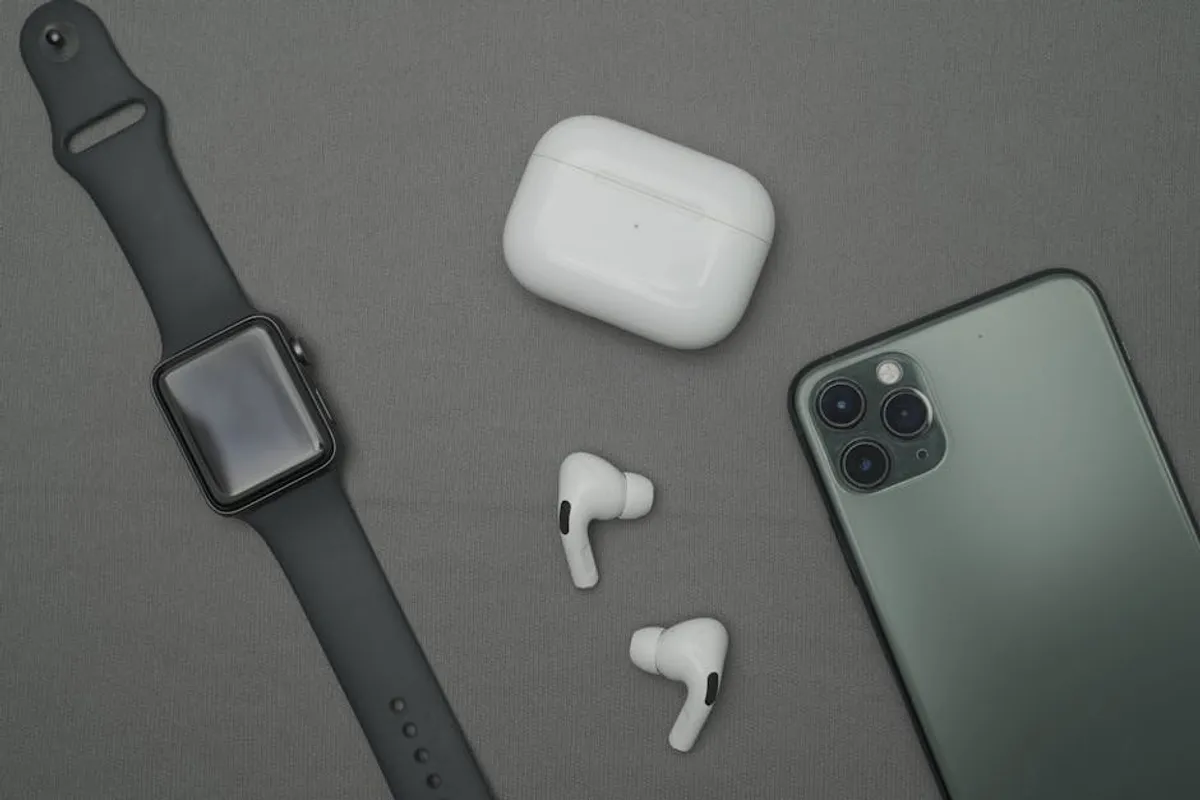
For aspiring tech reviewers, selecting the right gadget to start with is critical. The initial choices shape content approach, audience engagement, and the development of a reviewer's voice. Beginners benefit from products that offer clear, demonstrable features, broad market appeal, and a straightforward user experience. These characteristics simplify the review process, making it easier to identify key selling points, potential drawbacks, and practical use cases without requiring extensive technical expertise or specialized testing equipment. The goal is to build a foundation for creating credible, useful content that resonates with a general audience, rather than immediately diving into niche, highly technical products that demand advanced understanding or esoteric testing methodologies. This approach allows for focused content creation, emphasizing user experience, value proposition, and everyday utility, which are accessible entry points for both the reviewer and their audience.
How to Choose Your First Tech Gadget for Review
Selecting the optimal tech gadget for a beginner review involves evaluating several factors beyond mere popularity. Prioritize products with a well-defined purpose and a clear target audience. Gadgets that solve a common problem or enhance an everyday activity often have a broader appeal, making it easier to generate relevant content and attract an audience. Look for products with distinct, easily quantifiable features, such as battery life, connectivity range, or display resolution. These concrete metrics provide objective points for discussion, reducing reliance on subjective impressions alone. Consider the product's market position: Is it a category leader, a budget-friendly alternative, or an innovative new entry? Each offers a different angle for review content. Opt for gadgets that are relatively easy to acquire and test, avoiding items that require complex setups, specialized software, or significant time investments for initial assessment. Finally, assess the potential for comparison; products with direct competitors allow for content that highlights relative strengths and weaknesses, adding depth to the review.
1. Anker PowerCore Portable Charger
Anker's PowerCore series represents a highly accessible entry point for tech reviewers. These portable chargers are ubiquitous, feature a clear function—recharging devices on the go—and offer easily measurable performance metrics like capacity (mAh) and charging speed. Reviewing a PowerCore allows beginners to focus on practical aspects such as build quality, port availability, weight, and real-world charging efficiency without delving into complex technical jargon. The widespread use of these devices ensures a broad audience interested in their performance, making it easier to generate relevant search interest.
Best For: Reviewers focusing on practical utility, battery performance, and value. Ideal for demonstrating real-world charging scenarios and comparing against stated specifications.
Pros: Clear, quantifiable metrics (mAh, charging speed). High market relevance and broad user base. Simple functionality, easy to test and explain. Durable build quality is often a key differentiator.
Cons: Limited feature set can make extended, in-depth reviews challenging. Market saturation means standing out requires a unique angle or detailed comparative analysis.
Verdict: An excellent starting point for new reviewers due to its straightforward utility and measurable performance, providing a solid foundation for content creation.
2. JBL Tune Wireless Earbuds
JBL's Tune series offers wireless earbuds that balance affordability with reliable performance, making them suitable for beginner reviews. These earbuds typically feature Bluetooth connectivity, basic touch controls, and a focus on audio quality for everyday listening. Reviewers can concentrate on comfort, fit, battery life (for both earbuds and case), call quality, and the overall sound profile. These are all aspects easily evaluated by a general user without specialized audio equipment. The widespread adoption of wireless earbuds ensures a consistent demand for reviews covering user experience and value for money.
Best For: Reviewers interested in audio accessories, focusing on comfort, sound quality for daily use, and battery performance in a compact form factor.
Pros: Direct user experience focus (comfort, sound, battery). High consumer interest in wireless audio. Clear comparison points with other budget earbuds. Simple setup and pairing process.
Cons: Audio quality can be subjective, requiring careful description. Limited advanced features (e.g., ANC, spatial audio) compared to premium alternatives, narrowing the scope for deep dives.
Verdict: A strong choice for beginners to review, offering a balance of common features and user-centric evaluation points that resonate with a wide audience.
3. Amazon Echo Dot Smart Speaker
The Amazon Echo Dot serves as an accessible entry into smart home technology reviews. Its compact size, relatively low cost, and primary function as a voice assistant make it straightforward to evaluate. Reviewers can focus on setup ease, voice command responsiveness, sound quality for music and spoken word, smart home integration capabilities, and privacy considerations. The Echo Dot's widespread adoption means there's ample existing content to draw inspiration from, while its regular updates provide opportunities for fresh content on new features or integrations.
Best For: Reviewers exploring smart home devices and voice assistants, focusing on ease of use, integration, and daily utility.
Pros: High brand recognition and broad user base. Clear functionality and easy setup. Opportunities to test integration with other smart devices. Regular software updates provide new content angles.
Cons: Sound quality is not its primary strength, limiting extensive audio analysis. Privacy concerns can be a sensitive topic for review. Requires an Amazon account for full functionality.
Verdict: An ideal smart home gadget for beginners, providing a clear path to reviewing voice assistant capabilities and smart home ecosystem integration.
4. Xiaomi Mi Band Fitness Tracker
The Xiaomi Mi Band offers a budget-friendly, feature-rich fitness tracker that is excellent for beginner reviews. It tracks steps, heart rate, sleep, and various workouts, displaying data on a small OLED screen and syncing with a companion app. Reviewers can focus on accuracy of tracking, comfort during wear, battery life, app interface usability, and notification functionality. Its affordability makes it an attractive option for a broad audience, and its clear health-tracking metrics provide objective data points for discussion.
Best For: Reviewers interested in wearables and health tech, focusing on tracking accuracy, app experience, and battery longevity for everyday fitness monitoring.
Pros: Cost-effective, making it widely accessible. Clear, quantifiable health metrics. Long battery life is a significant selling point. Companion app is generally user-friendly for data visualization.
Cons: Screen size is small, limiting on-device information. Advanced fitness features are absent compared to higher-end smartwatches. Design variations are minimal across generations.
Verdict: An excellent entry-level fitness tracker for reviews, allowing focus on essential health tracking and app integration without complex technical demands.
5. Roku Express Streaming Stick
The Roku Express provides a simple, dedicated device for streaming content, making it a good subject for beginner tech reviews. Its primary function is clear: delivering streaming services to a TV. Reviewers can evaluate setup ease, remote control usability, interface navigation, app availability, and overall streaming performance (e.g., buffering, video quality). The focus remains on the user experience of accessing entertainment, which is a relatable and widely understood concept. Its low price point also broadens its appeal to a review audience.
Best For: Reviewers focusing on home entertainment and streaming solutions, emphasizing user interface, content accessibility, and ease of setup.
Pros: Extremely easy to set up and use. Broad app support for major streaming services. Intuitive remote control and interface. Cost-effective solution for smart TV conversion.
Cons: Lacks advanced features like 4K or HDR support (in the Express model). Performance can be slower than higher-end streaming devices. Remote is basic, without voice control on the base model.
Verdict: A straightforward streaming device to review, allowing beginners to cover essential home entertainment functions and user experience effectively.
6. Keychron K2 Mechanical Keyboard
The Keychron K2 represents an accessible entry into the mechanical keyboard market, suitable for beginner tech reviewers. These keyboards emphasize tactile feedback and durability, appealing to typists and casual gamers. Reviewers can focus on switch types (e.g., Gateron Brown, Red, Blue), keycap quality, build materials (plastic vs. aluminum frame), connectivity options (wired/Bluetooth), and overall typing experience. The distinct feel and sound of mechanical switches provide clear points of differentiation for descriptive content, and the enthusiast community offers a ready audience.
Best For: Reviewers interested in computer peripherals, focusing on typing experience, build quality, and connectivity options for productivity or casual gaming.
Pros: Clear, tactile differences between switch types. Robust build quality. Dual-mode connectivity (wired and wireless). Popular among entry-level keyboard enthusiasts, ensuring audience interest.
Cons: Can be heavier and thicker than membrane keyboards. Sound profiles of switches are subjective. Customization options might be overwhelming for absolute beginners to review in depth.
Verdict: An excellent mechanical keyboard for beginners to review, offering distinct features and a tangible user experience that is easy to describe and evaluate.
7. Logitech C920 Webcam
The Logitech C920 webcam is a long-standing staple in the peripheral market, making it an ideal subject for beginner tech reviews. Its primary function is clear: providing high-quality video for calls and streaming. Reviewers can concentrate on video resolution (1080p), frame rate, autofocus performance, low-light capabilities, and integrated microphone quality. The C920's widespread use in home offices and for casual streaming means there's a constant demand for assessments of its practical performance and ease of integration with common video conferencing software.
Best For: Reviewers focusing on computer peripherals for communication and content creation, emphasizing video and audio quality for everyday use.
Pros: Established reputation for reliability and quality. Simple plug-and-play setup. Good video and audio performance for its price point. Broad compatibility with various operating systems and applications.
Cons: Fixed field of view limits flexibility. Low-light performance, while good for its class, is not professional grade. Design is functional, not aesthetically groundbreaking.
Verdict: A reliable and widely used webcam that offers clear performance metrics and a straightforward user experience, perfect for beginner tech reviews.
8. JBL Flip Portable Bluetooth Speaker
The JBL Flip series of portable Bluetooth speakers offers a robust set of features for beginner reviewers. These speakers are known for their balanced sound, durable construction, and often waterproof designs, making them suitable for various environments. Reviewers can assess sound quality (bass, mids, highs), battery life, Bluetooth connectivity range, ruggedness, and ease of pairing with devices. The portability factor and clear use cases (parties, outdoor activities) make it easy to demonstrate its value and appeal to a broad, active audience.
Best For: Reviewers focusing on portable audio, emphasizing sound quality, durability, battery life, and ease of use for on-the-go entertainment.
Pros: Balanced sound profile and good bass for its size. Durable, often waterproof construction. Reliable Bluetooth connectivity. Long battery life for extended use.
Cons: Sound output is limited by size, not suitable for large spaces. Lacks advanced audio customization options. Market is highly competitive, requiring clear differentiators in reviews.
Verdict: A versatile and popular portable speaker that provides ample opportunities for reviewing sound, durability, and practical use cases for beginners.
9. TP-Link Kasa Smart Plug
The TP-Link Kasa Smart Plug provides a simple, effective entry into reviewing smart home devices. Its core function is to turn any plugged-in appliance into a smart device, controllable via an app or voice assistant. Reviewers can focus on setup process, app interface usability, scheduling features, energy monitoring (if available), and integration with smart home ecosystems like Amazon Alexa or Google Assistant. The immediate, tangible benefit of controlling devices remotely makes it easy to demonstrate its utility and appeal to users seeking convenience and energy management.
Best For: Reviewers exploring smart home automation, focusing on ease of setup, app control, scheduling functions, and voice assistant integration.
Pros: Extremely easy to install and configure. Intuitive companion app. Reliable Wi-Fi connectivity. Provides tangible benefits like remote control and scheduling.
Cons: Requires a stable Wi-Fi connection. Features are relatively basic compared to more complex smart home hubs. Limited to on/off control for connected devices.
Verdict: An excellent smart home gadget for beginners, offering a clear function and easy-to-demonstrate benefits for a practical and accessible review.
10. Akaso EK7000 Action Camera
The Akaso EK7000 offers an affordable alternative to premium action cameras, making it a compelling subject for beginner tech reviews. It captures video and photos, often with features like 4K resolution (interpolated) and various shooting modes. Reviewers can focus on video and image quality in different lighting conditions, battery life, user interface, included accessories (e.g., waterproof case, mounts), and overall value proposition. Its use cases are clear—adventure, sports, vlogging—providing dynamic content opportunities for demonstrating its capabilities.
Best For: Reviewers interested in photography and videography, focusing on image/video quality, durability, and accessory value for adventure or casual vlogging.
Pros: Highly affordable entry into action cameras. Comes with a range of accessories. Easy to operate with clear shooting modes. Durable, often waterproof housing included.
Cons: Image stabilization is often electronic and less effective than optical. True 4K resolution may be interpolated. Low-light performance is generally weak.
Verdict: A budget-friendly action camera that allows beginners to explore review content around outdoor activities, video quality, and accessory ecosystems.
11. Nixplay Seed Digital Photo Frame
The Nixplay Seed digital photo frame provides a distinct and emotionally resonant product for beginner tech reviews. Its core function is to display digital photos and videos, often with cloud connectivity for remote management. Reviewers can focus on display quality (resolution, brightness, aspect ratio), setup process, app usability for photo uploads and management, social media integration, and overall aesthetic appeal. The clear emotional value of displaying memories makes it easy to connect with an audience and demonstrate its utility in a home setting.
Best For: Reviewers focusing on home tech and personal display devices, emphasizing ease of use, display quality, and photo management features for sharing memories.
Pros: High-resolution display for clear photo viewing. Easy setup and remote photo management via app. Cloud connectivity for sharing photos with family. Aesthetic design that fits into home decor.
Cons: Requires a Wi-Fi connection for full functionality. Subscription models for cloud storage can be a consideration. Frame design options can be limited.
Verdict: A unique home tech gadget that allows beginners to review display quality, cloud features, and the emotional impact of digital photo sharing.
12. Eufy RoboVac 11S Robot Vacuum
The Eufy RoboVac 11S offers an entry-level robot vacuum cleaner that is well-suited for beginner tech reviews. Its primary function is automated floor cleaning, providing a tangible benefit to users. Reviewers can evaluate suction power, navigation patterns, battery life, noise level, dustbin capacity, and obstacle avoidance. The direct impact on daily chores makes it easy to demonstrate its effectiveness through before-and-after comparisons and real-world testing in various home environments. Its affordability also makes it a popular choice for first-time robot vacuum owners.
Best For: Reviewers focusing on smart home appliances, emphasizing cleaning performance, navigation, battery life, and ease of maintenance for automated household tasks.
Pros: Strong suction power for its price point. Quiet operation compared to many competitors. Slim design allows it to clean under furniture. Easy to empty and maintain.
Cons: Navigation is random, not mapping-based. Lacks advanced features like virtual walls or multi-floor mapping. Can get stuck on complex obstacles or thick carpets.
Verdict: An excellent robot vacuum for beginners to review, offering clear performance metrics and tangible benefits for automated home cleaning.
Beyond the Review: Maximizing Your Content's Impact
Creating a tech review is only the initial step; maximizing its impact requires strategic content development and audience engagement. Focus on providing actionable insights that help potential buyers make informed decisions, rather than just listing specifications. Incorporate comparative analysis where appropriate, highlighting how the reviewed gadget stands against its closest competitors in terms of features, performance, and value. Utilize high-quality visuals, including clear product shots, in-use demonstrations, and interface screenshots, to enhance understanding. Structure your content with clear headings and concise paragraphs to improve readability. For SEO, identify and target specific long-tail keywords related to the gadget and its common use cases. Engage with comments and questions, building a community around your content. Regularly update reviews if significant software updates or new accessories are released, ensuring the content remains current and valuable over time. This iterative approach builds authority and trust with your audience.
Frequently Asked Questions
What makes a tech gadget good for a beginner review?
A good beginner gadget has clear, demonstrable features, broad appeal, and a straightforward user experience. This allows reviewers to focus on practical aspects and easily explain benefits or drawbacks without needing deep technical knowledge.
Should I buy the gadgets I review?
While some reviewers receive products from brands, many beginners start by reviewing gadgets they already own or purchase specifically for review. Owning the product provides authentic, long-term user experience insights.
How long should a tech review be?
The ideal length varies, but aim for comprehensive coverage without unnecessary filler. For written reviews, 1000-2000 words often provides enough depth. For video, 8-15 minutes allows for detailed demonstrations and discussion.
What kind of equipment do I need to start reviewing?
Beginners can start with minimal equipment: a smartphone for photos/videos, good natural lighting, and a quiet space for recording audio. As you progress, consider a dedicated camera, microphone, and basic editing software.
How do I make my review stand out?
Focus on a unique perspective or specific use case. Provide concrete examples, real-world testing scenarios, and honest opinions. A clear, consistent voice and high-quality visuals also help differentiate your content.



