
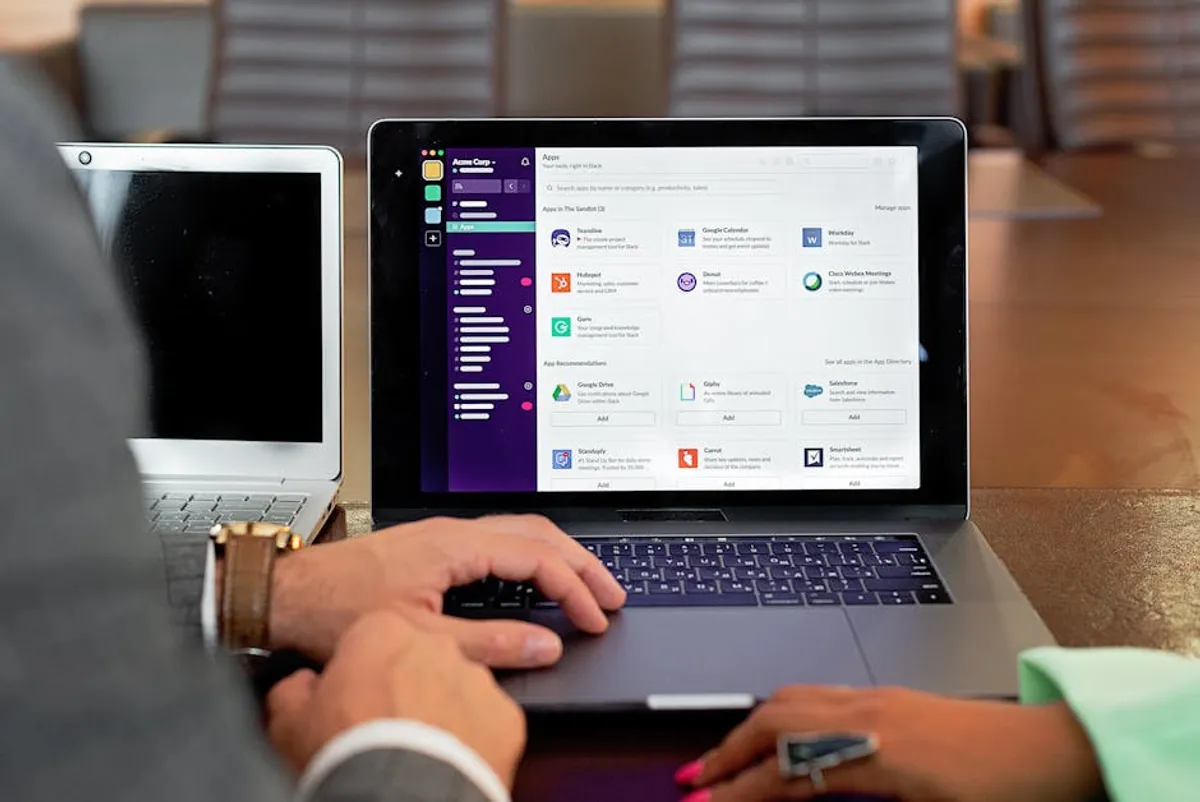
Choosing the right application requires more than just glancing at a star rating. The sheer volume and often contradictory nature of app reviews necessitate a structured approach to evaluation. Buyers must discern genuine user experiences from promotional noise or coordinated attacks, understanding that an app’s long-term utility hinges on its ongoing development, support, and alignment with specific needs. This process is not about finding a universally "best" app, but rather the most suitable one, a decision informed by a critical assessment of available feedback.
Understanding Review Ecosystems
App reviews originate from diverse platforms, each with inherent biases and strengths. Recognizing these distinctions is fundamental to interpreting feedback accurately.
Official App Store Reviews
These are direct user submissions on platforms like Apple's App Store or Google Play. Their primary value lies in sheer volume and direct association with the app's current version. However, they are often reactive, capturing immediate user sentiment—both positive and negative—without extensive context. Look for patterns in complaints (e.g., recurring bugs, UI issues) or praise (e.g., specific feature implementation, performance). Be wary of review bombing, where a sudden influx of low ratings appears without detailed explanations, often in response to a policy change or external event.
Third-Party Review Sites and Tech Publications
Sites like CNET, TechCrunch, or specialized industry blogs offer editorial reviews, often by experienced testers. These reviews provide structured evaluations, comparing features, performance, and usability against competitors. They offer a professional, objective lens, but may not reflect the long-term user experience or the challenges faced by specific user groups. Their value lies in initial feature validation and expert opinion on market positioning.
User Forums and Social Media Discussions
Platforms like Reddit, Stack Exchange, or dedicated product forums host organic, unmoderated discussions. Here, users detail nuanced problems, workarounds, and long-term satisfaction or frustration. This environment provides qualitative depth, revealing common pain points or unexpected benefits not captured in star ratings. However, these discussions can be highly subjective, anecdotal, and difficult to parse for broader trends.
Detecting Review Manipulation
The integrity of app reviews is compromised by various forms of manipulation. Identifying these helps filter unreliable data points.
- Suspicious Patterns: Look for a sudden spike in 5-star or 1-star reviews within a short period, especially if they are generic, lack detail, or use similar phrasing. This can indicate coordinated boosting or targeting.
- Generic or Repetitive Language: Reviews that sound like templates, use overly enthusiastic or vague language, or repeat keywords without specific context are red flags. Authentic reviews typically describe specific experiences.
- Reviewer Profile Examination: While not always foolproof, checking a reviewer's history can offer clues. A profile with only one review, or many reviews for unrelated apps posted in quick succession, might be suspicious.
- Incentivized Reviews: Some developers offer rewards for reviews. While not always negative, these reviews may skew positive. Look for disclosures like "I received this product for free in exchange for an honest review," though many go undisclosed.
- Developer Responses: A proactive developer who addresses negative feedback publicly and constructively adds credibility. Conversely, a developer who never responds, or only responds to positive reviews, may be less invested in user satisfaction.
Pro Tip: Always prioritize reviews that offer specific details about features, performance, or customer support interactions. Generic praise or criticism, while contributing to an overall score, provides limited actionable insight for your specific use case.
Beyond the Star Rating: Deeper Review Analysis
A high star rating alone is insufficient. Contextualizing reviews involves examining several factors that influence an app's practical value.
Recency and Version Relevance
An app's quality can fluctuate significantly with updates. Reviews for an older version may no longer reflect the current user experience. Prioritize recent reviews (within the last 6-12 months) and cross-reference them with the app's update history. A sudden drop in ratings after a major update, for instance, signals potential issues with new features or performance regressions.
Volume and Distribution
A large number of reviews, even with a slightly lower average rating, can be more reliable than a small number of glowing reviews. A balanced distribution of ratings (some 5-star, some 4-star, some 3-star, etc.) often indicates a more authentic user base than an app with only 5-star reviews and a few 1-star outliers.
Developer Engagement and Support
Observe how developers respond to feedback. Do they acknowledge bugs, offer solutions, or explain future updates? Active developer engagement in review sections or forums suggests a commitment to product improvement and user satisfaction, directly impacting the app's long-term viability. Lack of response can indicate poor support or an abandoned project.
Feature Specificity
Look for reviews that mention the specific features critical to your use case. If you need robust integration with another service, search for reviews discussing that integration. Generic reviews about "ease of use" are less helpful than those detailing how a particular workflow functions.
Structuring Your App Selection Process
To make an informed decision, integrate review analysis into a systematic selection process:
- Define Core Requirements: Before looking at any app, list essential features, performance expectations, and budget constraints.
- Initial Screening (Quantitative): Filter apps by overall star rating (e.g., 4.0+), review volume (e.g., 1000+), and recency of updates.
- Qualitative Deep Dive: Read the most recent 5-star and 1-star reviews. Identify recurring themes in both positive and negative feedback.
- Cross-Platform Validation: Check third-party tech sites for professional reviews and user forums for nuanced discussions.
- Developer Due Diligence: Assess developer responsiveness to reviews and frequency of updates.
- Trial Period (If Available): Utilize free trials or freemium versions to personally test critical features and assess usability before committing to a purchase.
Frequently Asked Questions
How many reviews are enough to trust an app's rating?
While there's no magic number, an app with at least several hundred reviews provides a more statistically significant sample than one with only a few dozen. Higher review counts tend to dilute the impact of individual outlier opinions.
Should I always disregard 1-star reviews?
No. While some 1-star reviews are emotional or based on isolated incidents, many highlight critical flaws, missing features, or poor customer support. Look for common threads among negative reviews to identify systemic issues.
What if an app has great reviews but hasn't been updated in a long time?
Proceed with caution. An app without recent updates may be abandoned, lack support for newer operating system versions, or contain unpatched security vulnerabilities. Even if the existing functionality is strong, its long-term viability is questionable.
Are paid app reviews always unreliable?
Not necessarily, but they require extra scrutiny. If a review explicitly states it was incentivized, evaluate its content for objectivity and specific detail. If it reads like an advertisement, its utility is minimal. Prioritize organic, unsolicited feedback.



